

Plantar Fasciitis
What is Plantar Fasciitis?
The main function of the plantar fascia is to support the arch of the foot and act like a spring to absorb ground impact when we walk, run, or jump.
When the plantar fascia undergoes long-term excessive traction, strain, pressure, or repetitive impact, the tissue develops micro-tears. This leads to inflammation, swelling, or even degeneration, resulting in pain known as "Plantar Fasciitis."
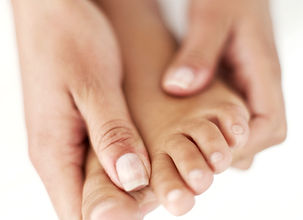
Common Symptoms
The pain associated with Plantar Fasciitis is usually characteristic. The most common presentations include:
-
Severe pain with the first step in the morning.
-
Pain when standing up after sitting for a long time; pain at the bottom of the heel.
-
Pain intensifies after exercise.
-
Discomfort after standing or walking for long periods.
Who is at Risk?
Plantar Fasciitis is usually caused by a combination of factors. The following groups are at higher risk:
-
Age Group: Most common in middle-aged people (40-60 years old).
-
Specific Sports Enthusiasts: Long-distance runners and basketball players.
-
Foot Structural Abnormalities: People with flat feet, high arches, or gait abnormalities.
-
Workers requiring prolonged standing or heavy lifting.
-
Wearing Improper Footwear: Long-term use of shoes with thin soles, lack of arch support, or poor shock absorption.
Physiotherapy Treatment
After a detailed assessment, our physiotherapists will determine the most suitable treatment plan for you, which may include:
-
Modalities: Such as Shockwave Therapy / Ultrasound / Electrotherapy, etc.
-
Therapeutic Exercise: Specific stretching exercises, foot muscle strengthening, etc.
-
Manual Therapy / Acupuncture
-
Insoles & Taping Advice
Home Care & Prevention
-
Ice: Apply ice during the acute pain phase.
-
Appropriate Stretching: Especially before getting out of bed or before and after exercise.
-
Choose Appropriate Footwear & Insoles: Wear shoes with good arch support and shock absorption.
-
Moderate Rest & Activity Adjustment: Reduce high-impact activities like running and jumping during painful periods.
-
Weight Control: To reduce the pressure on the feet.
When to Seek Professional Help?
-
Heel pain persists and does not improve after self-care.
-
Pain with the first step in the morning is severe and significantly affects walking.
-
Walking posture is affected by foot pain, leading to compensatory pain in the knees, hips, or lower back.
-
Pain has limited your daily activities, work, or exercise habits.
Enquiry or Appointment
If you would like to book an assessment, please contact us via phone or WhatsApp.
-
Phone: 6706 1944
-
Address: Shop UG13, Upper Ground Floor, Ka Wai Plaza, 24 Ma Tau Wai Road, Hung Hom, Kowloon